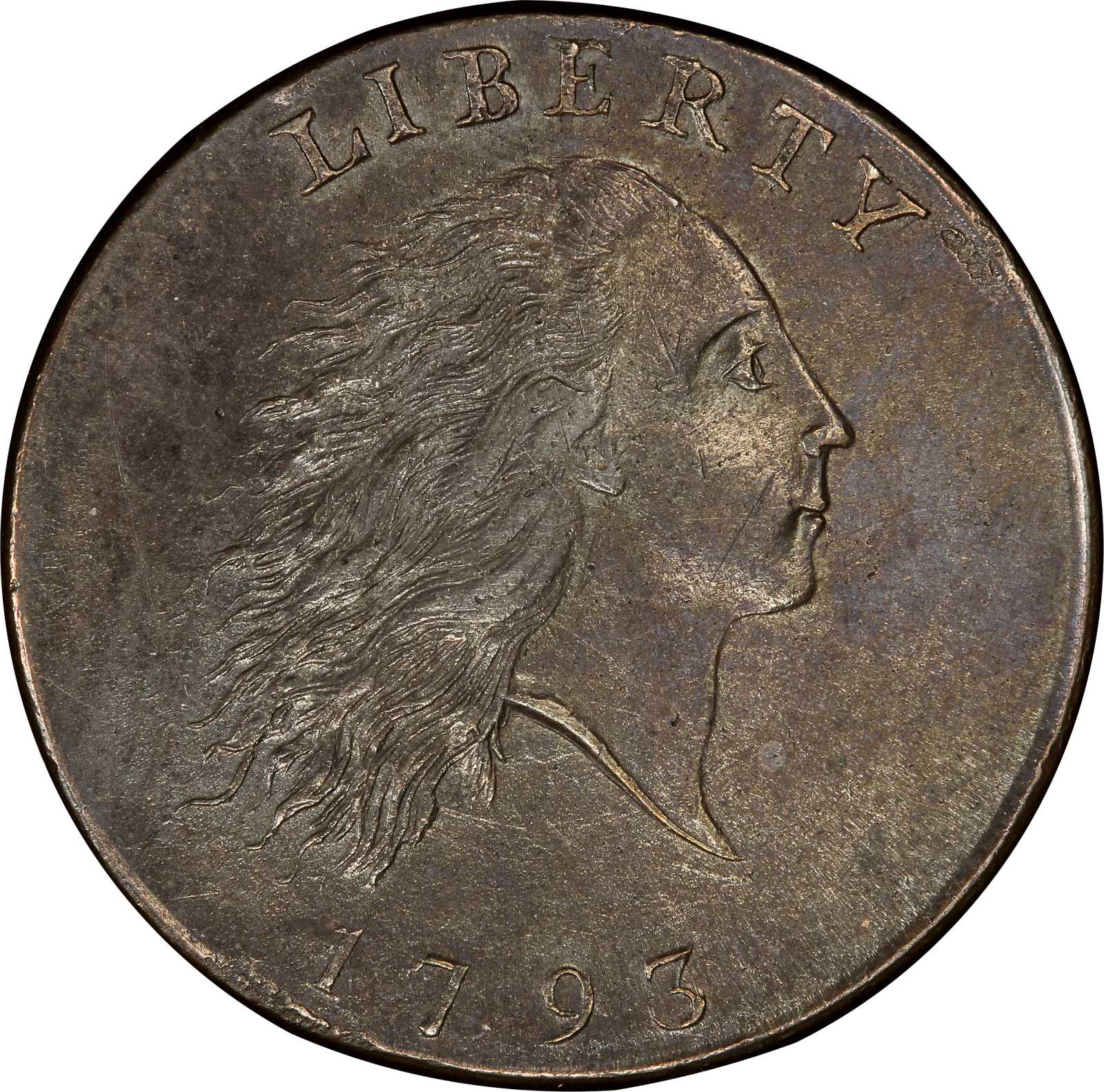
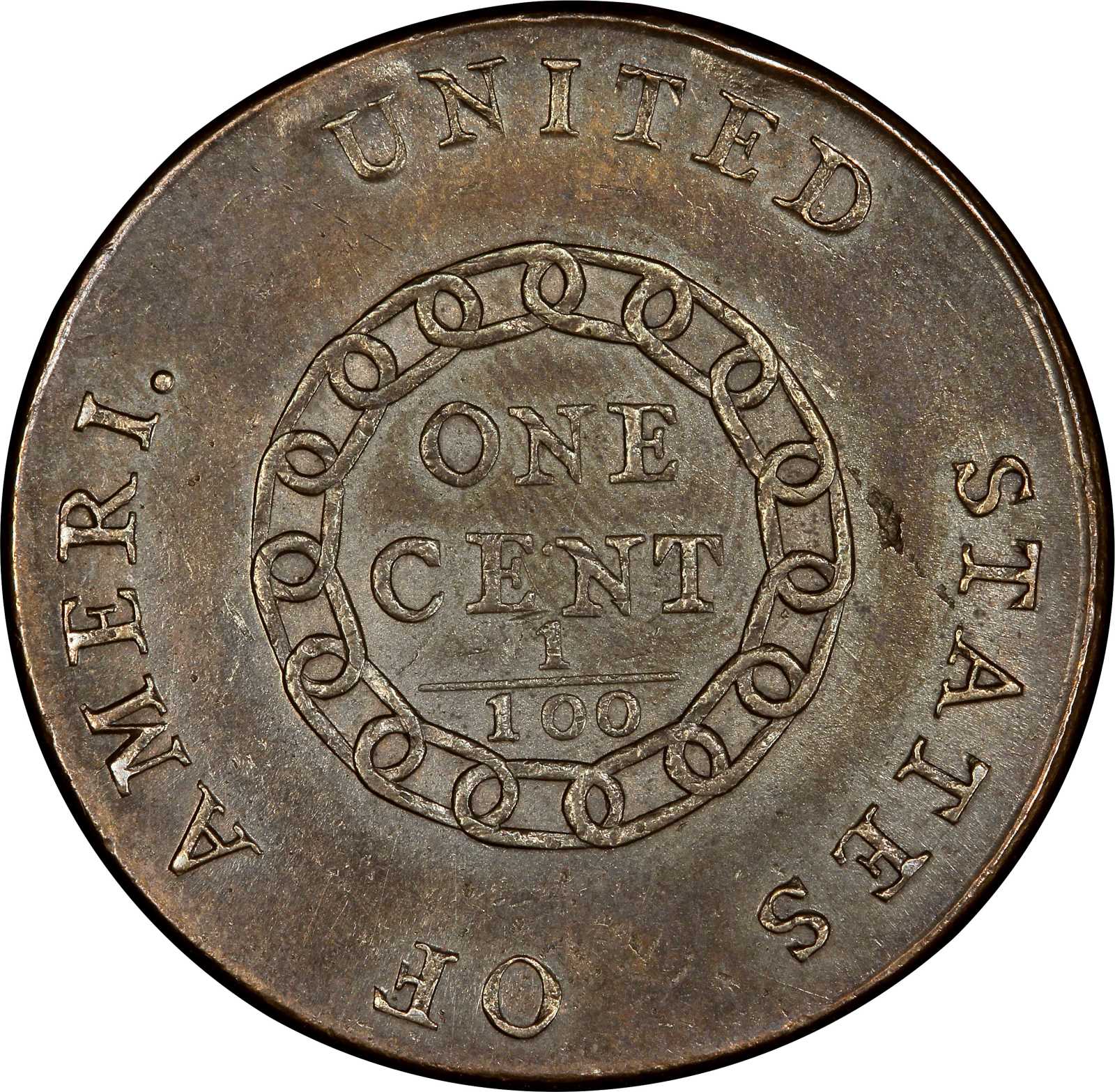
The large cent was the first coin struck by the new Philadelphia Mint in 1793, and it was produced every year from then until 1857 — with the single exception of 1815 — a record of consistency no other U.S. denomination can match. Struck in pure copper and slightly smaller than today’s half dollar, the large cent was replaced by the small copper-nickel cent in 1857, right as coin collecting was taking off as an American hobby.
Collectors divide the series into two groups: the “early dates” (1793–1814), famous for their abundant die varieties catalogued by Dr. William Sheldon (by “Sheldon number”) in Penny Whimsy, and the “late dates” (1816–1857), studied by Howard Newcomb (by “Newcomb number”). Few areas of numismatics have a longer or more devoted following than early copper.
Relatively few dates are truly difficult, but the key dates are the 1793 of any type, 1799, and 1804, with the 1821 and 1823 close behind. Nearly all other dates are reasonably available, though certain die varieties are extremely rare.
We are active buyers of large cents in every grade, from well-worn common dates to key dates and rare early die varieties. Send photos for a free, no-obligation offer.